Bullying remains one of the most serious issues facing students in UK schools today. From name-calling and social exclusion to online harassment, bullying can have long-lasting effects on a child’s mental health, confidence, and academic performance. To tackle this, schools across the UK have developed strict anti-bullying policies and proactive preventive strategies that focus on creating a safe and inclusive environment for every student.
1. The Legal Framework: Every School’s Duty of Care
In the UK, every school is legally required to have an anti-bullying policy in place. Under the Education and Inspections Act 2006, headteachers must ensure measures are taken to prevent all forms of bullying among pupils.
The Department for Education (DfE) provides clear guidance, stating that bullying—whether physical, verbal, emotional, or online—must be addressed promptly and effectively. This includes both incidents that happen on school grounds and those occurring outside school hours or online if they affect student wellbeing.
Schools must also publish their anti-bullying policies publicly so parents, students, and staff understand the procedures and support available.
2. Types of Bullying Recognized in UK Schools
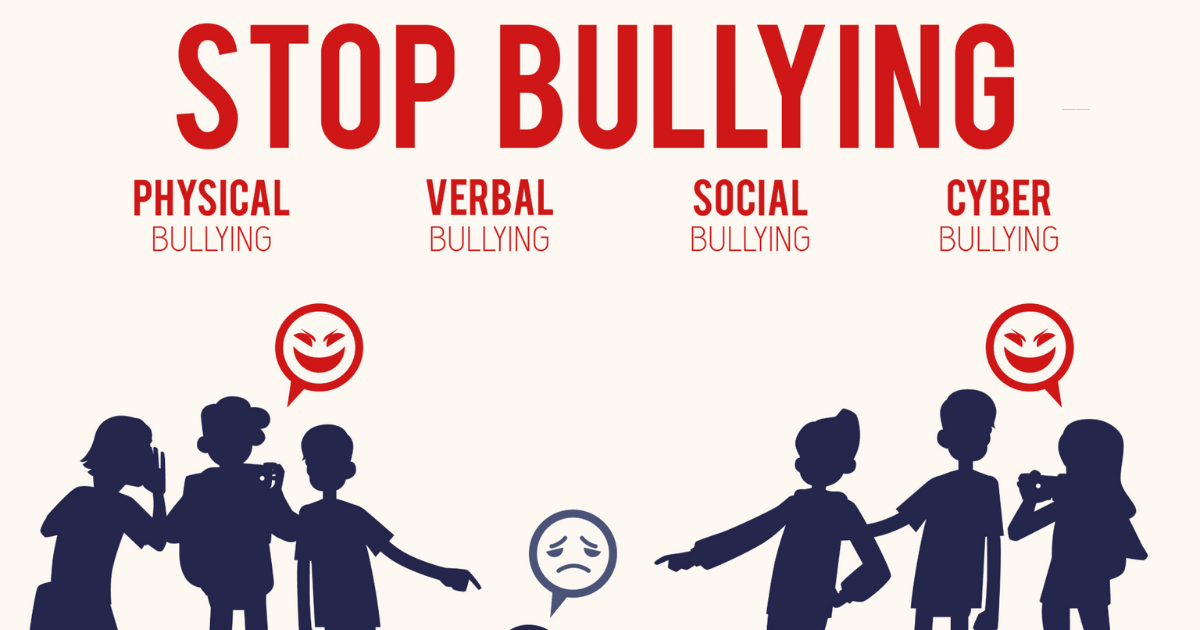
Modern anti-bullying policies recognise that bullying takes many forms, including:
-
Physical bullying: Hitting, pushing, or damaging property.
-
Verbal bullying: Name-calling, teasing, or threats.
-
Social bullying: Excluding someone from a group or spreading rumours.
-
Cyberbullying: Using social media, text messages, or gaming platforms to harass or humiliate others.
-
Prejudice-based bullying: Targeting students based on race, religion, disability, gender identity, or sexual orientation.
Schools treat all forms seriously, ensuring that both the victims and perpetrators receive appropriate support and guidance.
3. Preventive Strategies: Building a Culture of Respect
Rather than reacting only after incidents occur, UK schools now place a strong emphasis on prevention through education, communication, and community involvement.
Key strategies include:
-
Awareness campaigns: Schools run workshops and assemblies during Anti-Bullying Week and throughout the year to teach empathy, kindness, and digital responsibility.
-
Peer mentoring programs: Older students are often trained as “anti-bullying ambassadors” to support younger pupils and encourage reporting.
-
Social and emotional learning (SEL): Lessons and group activities help students understand emotions, develop resilience, and resolve conflicts peacefully.
-
Digital safety education: With cyberbullying on the rise, schools teach responsible online behaviour, privacy awareness, and how to report harmful content.
-
Inclusive policies: Many schools celebrate diversity and equality through cultural events and inclusive curricula to prevent discrimination-based bullying.
4. Reporting and Response: Taking Action Against Bullying
Every UK school’s anti-bullying policy outlines clear procedures for reporting and responding to incidents.
When bullying is reported:
-
The situation is investigated confidentially by staff or designated safeguarding leads.
-
Support is offered to the victim, including counselling or peer support.
-
Appropriate action is taken against the perpetrator, which may involve mediation, parental meetings, or disciplinary measures.
-
Follow-up monitoring ensures the bullying does not continue or escalate.
Importantly, schools focus not only on punishment but also on education and rehabilitation, helping bullies understand the impact of their actions and develop better coping or communication skills.
5. The Role of Parents and the Community
Parents are encouraged to work closely with schools when bullying occurs. Schools often provide workshops or online resources to help parents recognize the signs of bullying—such as sudden mood changes, reluctance to attend school, or declining grades—and know how to respond.
Community organisations like Childline, NSPCC, and the Anti-Bullying Alliance also collaborate with schools to provide counselling services, resources, and awareness campaigns that extend beyond the classroom.
6. Looking Ahead: Creating Bully-Free Schools
UK schools are moving toward a whole-school approach—one that involves students, staff, and families in promoting respect, empathy, and inclusion. With continuous teacher training, updated digital safety guidelines, and peer-led initiatives, schools are taking stronger action than ever to reduce bullying in all its forms.
The ultimate goal is not just to respond to bullying but to build a culture where kindness is the norm, and every child feels valued, supported, and safe.