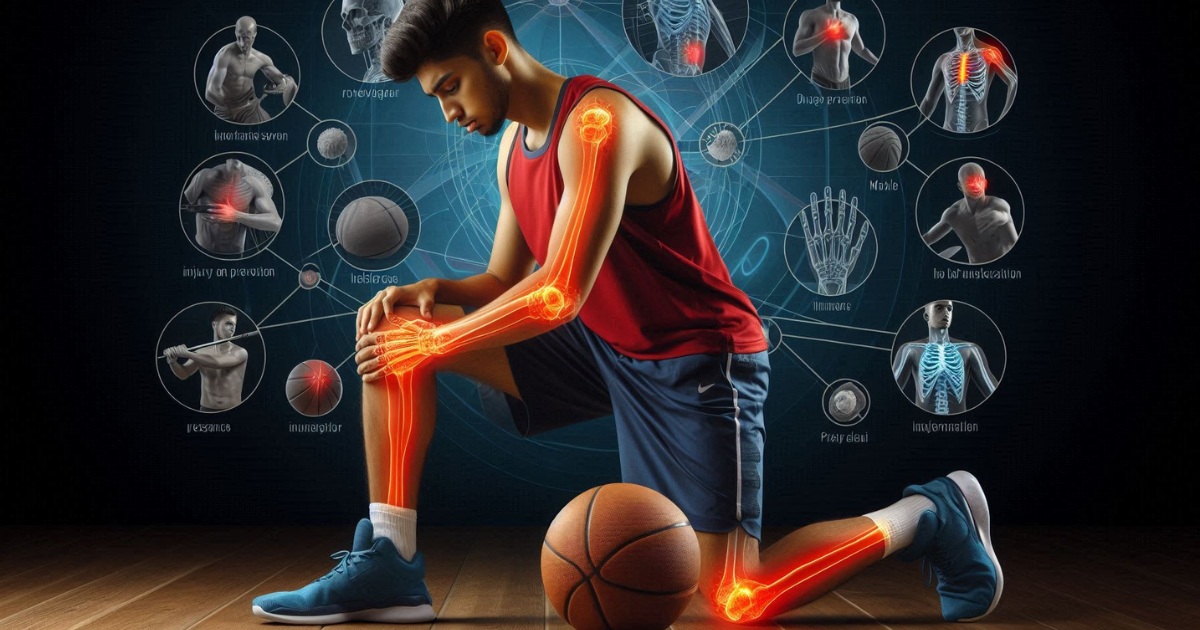
Basketball is fast, physical, and unpredictable — a sport that demands speed, strength, and endurance in equal measure. With explosive jumps, sudden changes in direction, and constant physical contact, injuries are almost inevitable.
But while no athlete can eliminate injury risk entirely, proper physical conditioning can dramatically reduce it. From strengthening muscles and joints to improving balance and recovery, conditioning is the foundation of a long and healthy basketball career.
1. Why Physical Conditioning Matters
Basketball places repetitive stress on the body — especially the knees, ankles, and lower back. Poor conditioning not only limits performance but also increases vulnerability to common injuries such as sprains, strains, and tendonitis.
Conditioning isn’t just about fitness — it’s about preparing the body for the unique demands of the game. When players develop strong, flexible, and resilient bodies, they’re better equipped to handle the intensity of competition and recover more quickly after games.
2. Building Strength to Protect Joints
One of the biggest benefits of strength training is joint stability. Strong muscles act as shock absorbers, reducing stress on ligaments and tendons.
For example:
-
Quadriceps and hamstring strength supports the knees, reducing the risk of ACL injuries.
-
Calf and ankle strength improves balance and reduces ankle sprains.
-
Core strength stabilises the spine, improving posture and reducing back strain.
Basketball-specific strength training often focuses on compound movements — such as squats, lunges, and deadlifts — that mimic on-court movements. The goal isn’t just to lift heavy, but to build power and control through full ranges of motion.
3. Mobility and Flexibility: The Unsung Heroes
Many players focus on power but overlook mobility — the ability to move freely and efficiently. Limited mobility in the hips, ankles, or shoulders can alter movement patterns and increase the risk of injury.
Dynamic stretching, foam rolling, and mobility drills before and after training sessions help maintain flexibility and joint health. Yoga and Pilates are increasingly popular among elite athletes for improving balance, flexibility, and body awareness — all crucial for avoiding awkward landings and overuse injuries.
4. Conditioning for Endurance and Recovery
Basketball is a game of constant movement — players sprint, jump, and cut hundreds of times per match. Poor cardiovascular fitness leads to fatigue, and fatigue leads to sloppy mechanics and bad decisions, which often cause injuries.
That’s why aerobic and anaerobic conditioning is vital. Interval training — alternating between high-intensity bursts and short rest periods — mirrors the rhythm of a real game and builds stamina without overtraining.
Equally important is recovery. Proper conditioning includes rest, nutrition, and sleep, allowing muscles to repair and adapt. Overtraining can be just as dangerous as undertraining, weakening the body and increasing injury risk.
5. Balance, Agility, and Coordination
Injury prevention isn’t just about strength — it’s also about control. Exercises that train balance and coordination, such as single-leg squats, ladder drills, and stability-ball work, improve proprioception — the body’s ability to sense movement and position.
Better proprioception means players react faster and land more safely after jumps, reducing the likelihood of rolled ankles or knee injuries. Agility drills also help players maintain control during quick direction changes — a key aspect of staying healthy on the court.
6. Prehabilitation: Preventing Problems Before They Start
The term “prehab” refers to targeted exercises that address weaknesses before they become injuries. Teams now use data and movement screenings to identify imbalances or poor mechanics.
For instance, a player with tight hip flexors or weak glutes might be given specific exercises to correct those issues before they lead to chronic pain or strain. This proactive approach is now standard in professional basketball training programmes.
7. Mental Conditioning and Awareness
Physical preparation goes hand in hand with mental focus. Players who are mindful of their bodies — recognising fatigue, discomfort, or imbalance — can take preventative action sooner.
Mental conditioning, including mindfulness and stress management, helps athletes maintain concentration and avoid risky movements caused by distraction or exhaustion.
Final Thoughts
In modern basketball, staying healthy is as important as staying skilled. The best athletes don’t just train to perform — they train to prevent. Through strength, mobility, endurance, and awareness, physical conditioning builds resilience that keeps players on the court and out of the treatment room.
In a sport that moves at lightning speed, injuries can happen in an instant. But with the right conditioning programme, those moments become fewer and recovery becomes faster.
Because in the long run, the strongest player isn’t just the one who can jump the highest or run the fastest — it’s the one who’s still standing when the season ends.