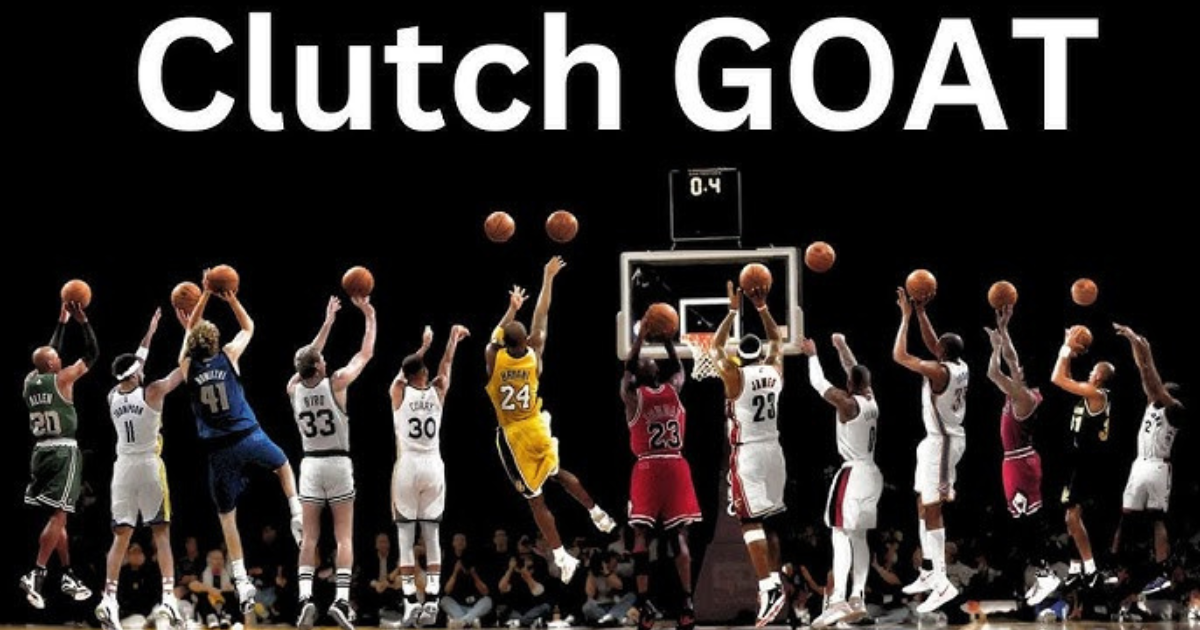
In every sport, there are moments when the entire game condenses into a single play—a last-second shot, a decisive kick, a do-or-die swing. Some athletes crumble under that pressure, while others seem to rise effortlessly above it. We call those athletes “clutch,” but what does that really mean? And more importantly, what psychological factors help someone deliver when the stakes are highest?
1. The Power of Perceived Pressure
Clutch situations are defined not just by time or score, but by pressure. Interestingly, pressure itself is not inherently harmful—it’s the athlete’s perception of that pressure that determines performance. When an athlete interprets pressure as a threat, the body responds with tension, rapid breathing, and overthinking. When they interpret it as a challenge, the body produces energy, focus, and heightened awareness.
Elite athletes often reframe pressure as opportunity. Instead of thinking, “Don’t miss,” they think, “Here’s my moment.” That simple shift changes the entire physiological response, allowing them to perform closer to their normal ability.
2. The Role of Automaticity
Great shooters, golfers, or kickers rely on something psychologists call automaticity—the ability to perform a skill without consciously thinking through each step. Clutch performers trust the thousands of repetitions behind them. They don’t aim to execute a perfect form under pressure; they aim to let muscle memory do its job.
Athletes who choke often fall into what’s known as paralysis by analysis. They start focusing on mechanics they usually never think about. Instead of shooting fluidly, they guide the ball. Instead of swinging freely, they force the motion. Clutch athletes avoid this mental trap by keeping the mind quiet and letting habit take over.
3. Confidence as a Performance Multiplier
Confidence is not just a feeling—it’s a performance enhancer. Studies consistently show that athletes who expect to succeed under pressure perform better. This confidence is typically built through two channels:
-
Experience: The more times an athlete has faced pressure, the less intimidating it feels.
-
Preparation: When an athlete knows they’ve prepared relentlessly, belief naturally follows.
This is why some athletes insist on practicing end-of-game situations. When the moment comes, it feels familiar, not frightening.
4. Emotional Regulation
Staying clutch often comes down to emotional control. High-stakes moments create strong internal reactions—adrenaline, anxiety, excitement. Clutch performers manage these emotions through techniques like deep breathing, visualization, and positive self-talk.
Visualization is particularly powerful. Many athletes mentally rehearse hitting the game-winner long before it happens. The brain, interestingly, reacts to imagined success in similar ways to actual success. So when the moment arrives, it feels like déjà vu.
5. Focus on the Present
Pressure tempts athletes to think about the outcome—fans cheering, the scoreboard, or the glory that awaits. But clutch athletes stay anchored in the present task. They control the controllables: their stance, breathing, rhythm, and follow-through.
This skill—often called mindfulness in sports psychology—helps prevent distractions from hijacking performance. Instead of worrying about consequences, clutch performers zero in on the process.
6. Resilience and Short-Term Memory
Interestingly, clutch athletes often have a strong ability to forget. Missed shots, previous mistakes, or earlier turnovers don’t linger in their minds. They maintain what coaches call “short memory.” This resilience keeps doubt from creeping in, allowing them to take the next big shot without hesitation.
Final Thoughts
Clutch shooting is not a magical trait reserved for a lucky few. It’s a blend of psychology, preparation, and mindset. While talent and technique matter, the ability to embrace pressure, trust muscle memory, and stay emotionally grounded is what ultimately separates the clutch performers from the rest. For athletes and coaches alike, understanding these psychological factors can be the key to unlocking big-moment success.