Every summer, football fans around the world watch jaw-dropping transfer fees dominate the headlines. From record-breaking moves like Neymar’s €222 million switch to PSG, to rising stars commanding tens of millions after just one good season, it raises a question that fascinates both fans and finance experts alike: how exactly is a footballer’s value decided?
Transfer fees aren’t plucked from thin air — they’re the result of a complex mix of economics, performance metrics, market forces and sometimes pure negotiation skill. Here’s how the numbers really stack up.
1. Performance and Potential
At the heart of any transfer fee is the player’s on-pitch performance. Clubs and analysts assess goals, assists, defensive actions, passing accuracy, and impact on games. But statistics alone don’t tell the whole story.
A 29-year-old striker who’s just scored 25 league goals might command less than a 21-year-old with half that number — because of potential resale value. Age, fitness record, adaptability and long-term upside all play huge roles. Essentially, clubs are paying for both what the player is now and what they could become.
Advanced data analytics now feed into these valuations too. Many Premier League clubs use models that assign an “expected transfer value” based on algorithms tracking thousands of data points. The modern market is as much about data science as gut instinct.
2. Contract Length and Negotiation Power
A player’s contract situation can drastically swing their value. If a player has several years remaining on their deal, their current club holds the leverage — demanding a premium to sell. Conversely, when a contract is nearing its end, a club risks losing the player for free, often forcing them to accept a lower fee.
This is why you’ll see “cut-price” transfers just before contracts expire. For example, when Chelsea sold Eden Hazard to Real Madrid in 2019, his contract was running down, which limited their bargaining power despite his world-class ability.
Agents and buy-out clauses also play a big role. Some players have fixed release clauses, setting a clear minimum price. In other cases, clubs rely purely on negotiation — a delicate dance between demand, desperation, and timing.
3. Marketability and Commercial Value
Not all of a player’s worth comes from what they do on the pitch. Commercial appeal can make a huge difference. Superstars like Cristiano Ronaldo, Lionel Messi, or Kylian Mbappé bring global fanbases, sponsorship deals and shirt sales that offset their transfer and wage costs.
For example, when Ronaldo joined Juventus, the club reportedly sold over €50 million worth of shirts within 24 hours — a reminder that transfers can be as much business decisions as sporting ones. A player who boosts a club’s brand value or global reach can command a fee that far exceeds their pure sporting metrics.
4. Scarcity and Market Conditions
Just like any marketplace, supply and demand drives prices. If a club desperately needs a left-back and only a few elite options exist, prices skyrocket. The same happens when rivals compete for the same target — a bidding war inflates value beyond logic.
Economic conditions also matter. Broadcast revenue, Champions League prize money, and even currency exchange rates influence transfer budgets. The pandemic, for example, temporarily cooled spending as clubs faced revenue losses, but fees rebounded quickly once crowds returned.
5. Data, Inflation and the “New Normal”
Transfer fees have ballooned partly due to football inflation. The influx of TV money, commercial sponsorship, and billionaire ownership has reshaped club finances. A £10 million signing that once raised eyebrows now barely covers a promising teenager.
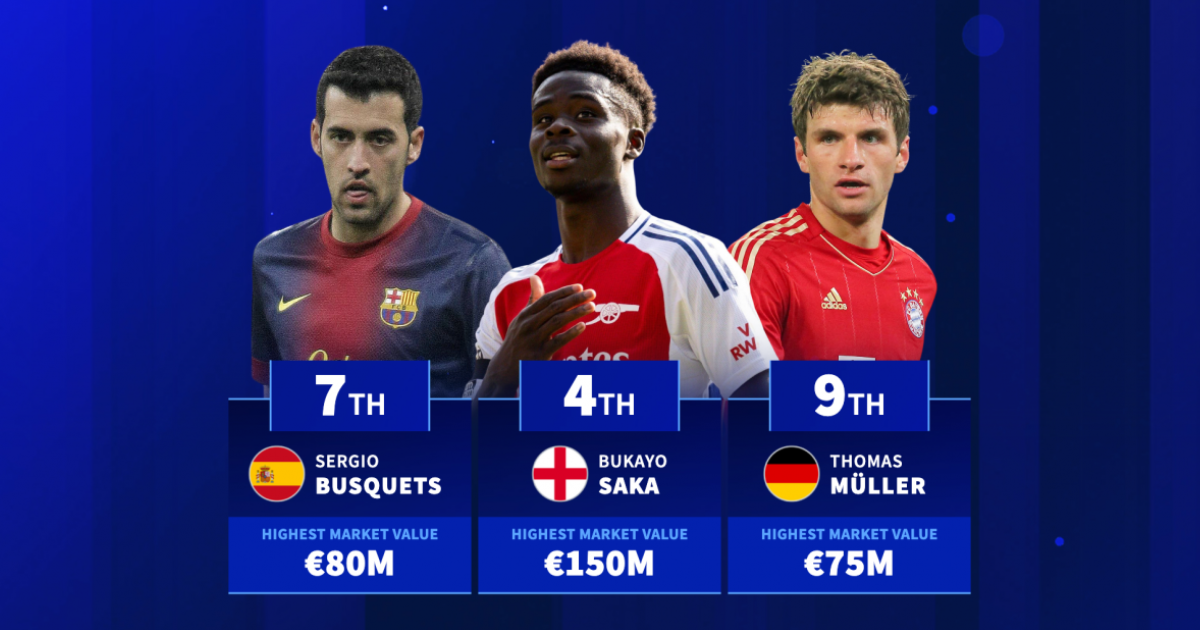
Modern data models — such as Transfermarkt’s valuations or the CIES Football Observatory’s algorithms — estimate “market value” based on performance, age, contract, and reputation. While not official, these tools influence negotiations and media narratives alike.
6. The Human Factor
Finally, there’s the unpredictable side: emotion and timing. A beloved club legend, a fan-pleasing signing, or a last-minute deadline-day panic buy can defy all economic logic. Football isn’t a perfect market — it’s a blend of business, sport, and passion.
Final Whistle
Transfer fees may look outrageous, but behind every headline figure lies a rational (and sometimes emotional) mix of data, demand and opportunity. Clubs aren’t just buying a player — they’re investing in performance, potential, and brand power.
For fans, the numbers may seem surreal, but for clubs, each deal is a calculated gamble in the high-stakes economy of modern football. In the end, a player’s true value isn’t what a spreadsheet says — it’s what one club is willing to pay, and another can’t afford to lose.